


Demystifying Cold-Processed Soap: The Science Behind Natural Soap and Its Benefits
- Feb 11
- 5 min read
Updated: Feb 12
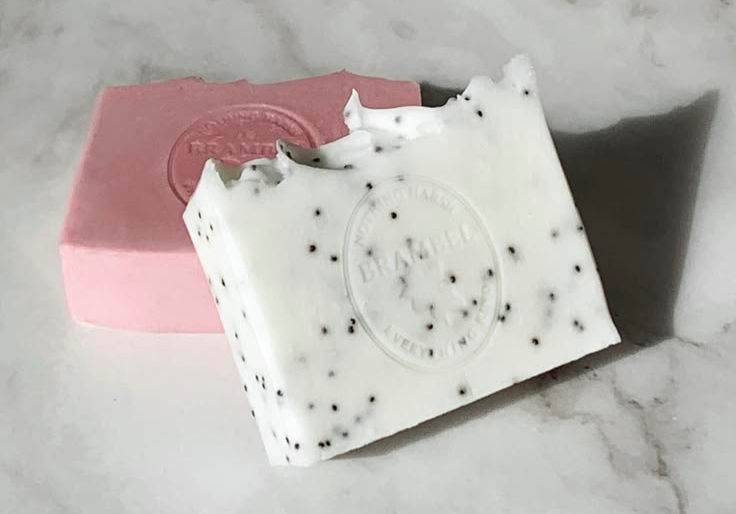
Soap is something most of us use every day, yet few people stop to think about how it’s made — or why some soaps feel gentle and nourishing, while others leave the skin feeling dry or tight.
Cold-processed soap is often described as a gentler, more traditional alternative to synthetic soap bars. To understand why, it helps to look at how cold-processed soap is made, how it cleans the skin, and how it differs from modern detergent-based soaps.
What is cold-processed soap?
Cold-processed soap is a true soap made by combining natural oils, fats, or butters with lye. Through a natural chemical reaction called saponification, these ingredients are transformed into soap and glycerin.
One of the defining features of cold-processed soap is that the glycerin created during saponification remains in the finished bar. Glycerin is known for its ability to attract and retain moisture, which is one reason cold-processed soap is often experienced as less drying than many commercial soaps.
No external heat is used during production. Instead, the soap is poured into molds and left to cure slowly over several weeks. During this time, excess water evaporates and the bar hardens, resulting in a firm soap with a creamy lather.
Many cold-processed soaps are also made with a small excess of oils, a technique known as superfatting, which further supports a moisturizing and mild cleansing experience.
At Brambel, 50–60% of the fats used in our soaps come from 100% grass-fed beef tallow.
Tallow has a long history in traditional soapmaking and is valued for its close compatibility with the skin’s natural lipid profile.
Naturally rich in fat-soluble vitamins such as A, D, E, and K, tallow also contributes to a creamy lather and a gentle cleansing experience.
Our tallow is sourced locally from biodynamically raised Scottish Highland cattle, a breed known for producing particularly nutrient-dense, high-quality fat.
This careful sourcing allows us to work with a raw material that reflects both craftsmanship and respect for the land it comes from.

Cold-processed soap vs. synthetic soap
Although they are often grouped together under the word “soap,” cold-processed soap and synthetic soap bars are fundamentally different products.
Synthetic soaps, also known as detergent bars, are usually mass-produced using synthetic surfactants rather than true soap. These surfactants are often derived from petroleum-based ingredients such as sulfates. During production, naturally formed glycerin is frequently removed and may later be added back in controlled amounts, or not at all.
Synthetic soaps are designed to be consistent, long-lasting, and cost-effective. While they cleanse efficiently, they can sometimes remove the skin’s natural oils more aggressively, which may leave some skin types feeling dry or irritated.
Cold-processed soap vs. hot-processed soap
Cold-processed and hot-processed soaps are both true soaps made through saponification. The difference lies in how the reaction is handled.
Cold-processed soap relies on time and curing, with no external heat applied. Hot-processed soap uses heat to speed up the saponification process. Both methods produce soap and glycerin, but cold-processed soap is often chosen for its smoother texture, more refined appearance and and better preservation of naturally occurring glycerin and delicate ingredients.

The science behind how cold-processed soap cleans
Cold-processed soap does not disinfect the skin in the same way alcohol-based disinfectants do. Instead, it works through mechanical cleansing, which is highly effective for everyday hygiene.
Soap molecules act as surfactants. Each molecule has one end that binds to oils and fats and another end that binds to water. Bacteria and viruses are attached to oils, dirt, and skin residues on the skin’s surface. When you wash your hands or body with soap and water, the soap binds to these oily residues, and the water rinses them away.
Rather than killing microorganisms on contact, soap removes them physically from the skin. Research published via the National Center for Biotechnology Information (NCBI) shows that proper handwashing with regular soap for 20–30 seconds is highly effective and, in most cases, comparable to antibacterial soaps.
Because cold-processed soap has a naturally high pH and contains no free water after curing, it does not provide a suitable environment for bacterial growth within the soap itself. This makes it hygienic and safe for normal daily use.
Under EU regulations, cold-processed soap must not be marketed as disinfecting or antibacterial. However, it is accurate to say that it cleans effectively, helps remove dirt and bacteria, and supports good hand hygiene.
The benefits of natural cold-processed soap
Cold-processed soap is often chosen by those who want a balance between effective cleansing and skin comfort. The naturally retained glycerin contributes to a softer skin feel, while the carefully selected oils and butters give the lather a creamy, moisturizing quality.
At Brambel, our soaps are formulated with 6% superfat, meaning a small portion of the oils remains unsaponified. This helps reduce the stripping effect of cleansing and supports a gentle, nourishing wash.
In addition, cold-processed soap is biodegradable and typically produces less packaging waste than liquid soaps, making it an appealing option for those looking to reduce their environmental impact.
What is superfat?
Superfat refers to the small percentage of oils or fats in a soap that are intentionally left unsaponified. In other words, not all of the oils are converted into soap during the saponification process. This helps reduce the stripping effect of cleansing and contributes to a gentler, more skin-comforting wash. Superfatting does not make the soap greasy — instead, it balances cleansing with care and is often used to improve the overall feel of the soap on the skin.
Pros and cons of natural cold-processed soap
Cold-processed soap offers many advantages, including gentle cleansing, simple and transparent ingredients, and a moisturizing lather. It also supports sustainability through biodegradability and low-waste formats.
To sum i up cold processed soap is:
Gentle yet effective cleansing
Naturally retained glycerin
Creamy, with a moisturizing lather
Simple and transparent ingredient lists
Often formulated with superfat for added skin comfort
Biodegradable and low-waste format
On the other hand, cold-processed soap often comes at a higher price point than mass-produced synthetic soaps, has a shorter shelf life, and benefits from being allowed to dry fully between uses.
Which soap should you choose?
If your main priority is price and long shelf life, a synthetic soap bar may be the right choice.
If you value skin comfort, ingredient transparency, and a more sustainable approach to skincare, cold-processed soap offers a thoughtful alternative.
Cold-processed soap isn’t about doing more — it’s about cleansing well, gently, and with intention.
Discover cold-processed soap at Brambel
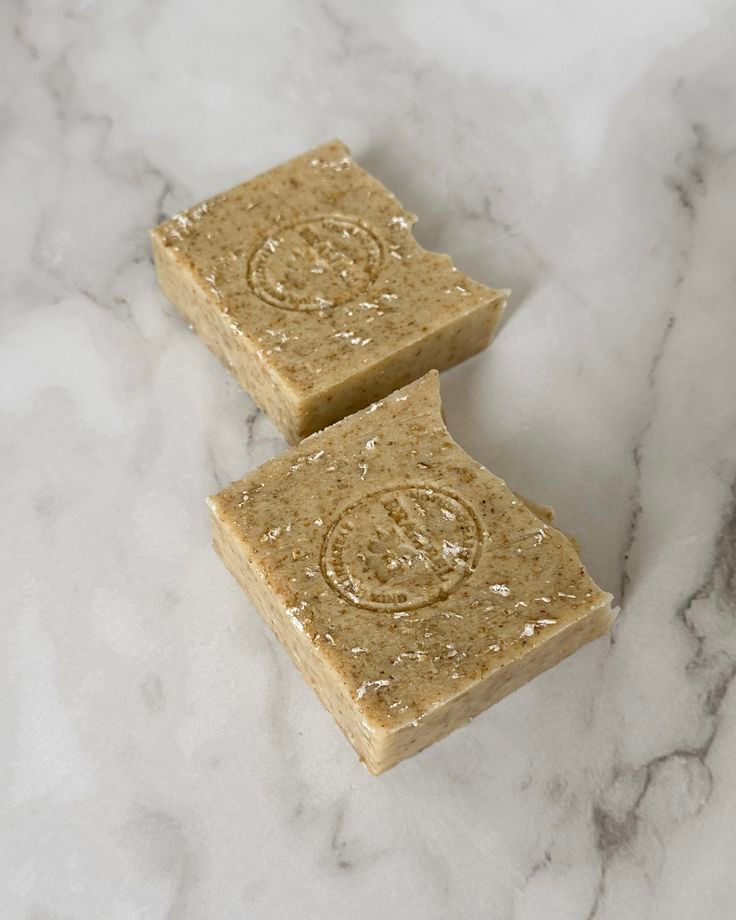
If you’re curious to experience cold-processed soap for yourself, you can explore a selection of our handmade soap bars in the Brambel shop. Each soap is crafted in small batches using carefully chosen natural ingredients, with a focus on gentle cleansing, sensory comfort, and thoughtful sourcing.
Whether you’re looking for a soap for everyday handwashing or a more mindful addition to your bathing ritual, our collection is designed to bring simplicity and care into daily routines.
👉 Explore our cold-processed soaps and find the bar that fits your skin and your rhythm.



Comments